Single-manual harpsichord | Thomas Barton | 1709
Single-manual harpsichord | Thomas Barton | 1709
(opens in a new tab) (opens in a new tab) (opens in a new tab) (opens in a new tab) (opens in a new tab)
(Note: Each icon above opens in a new tab.)
Audio Clips
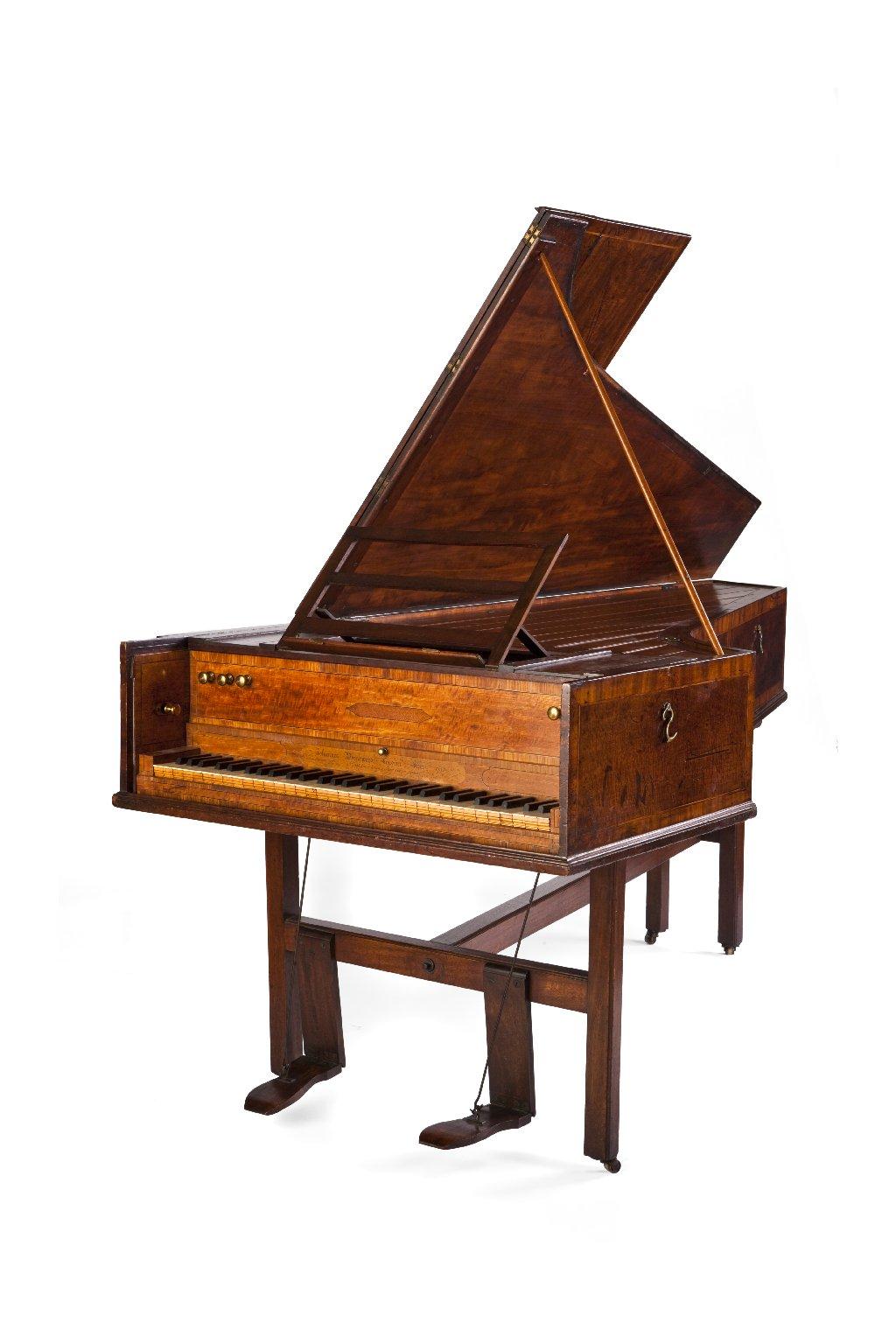
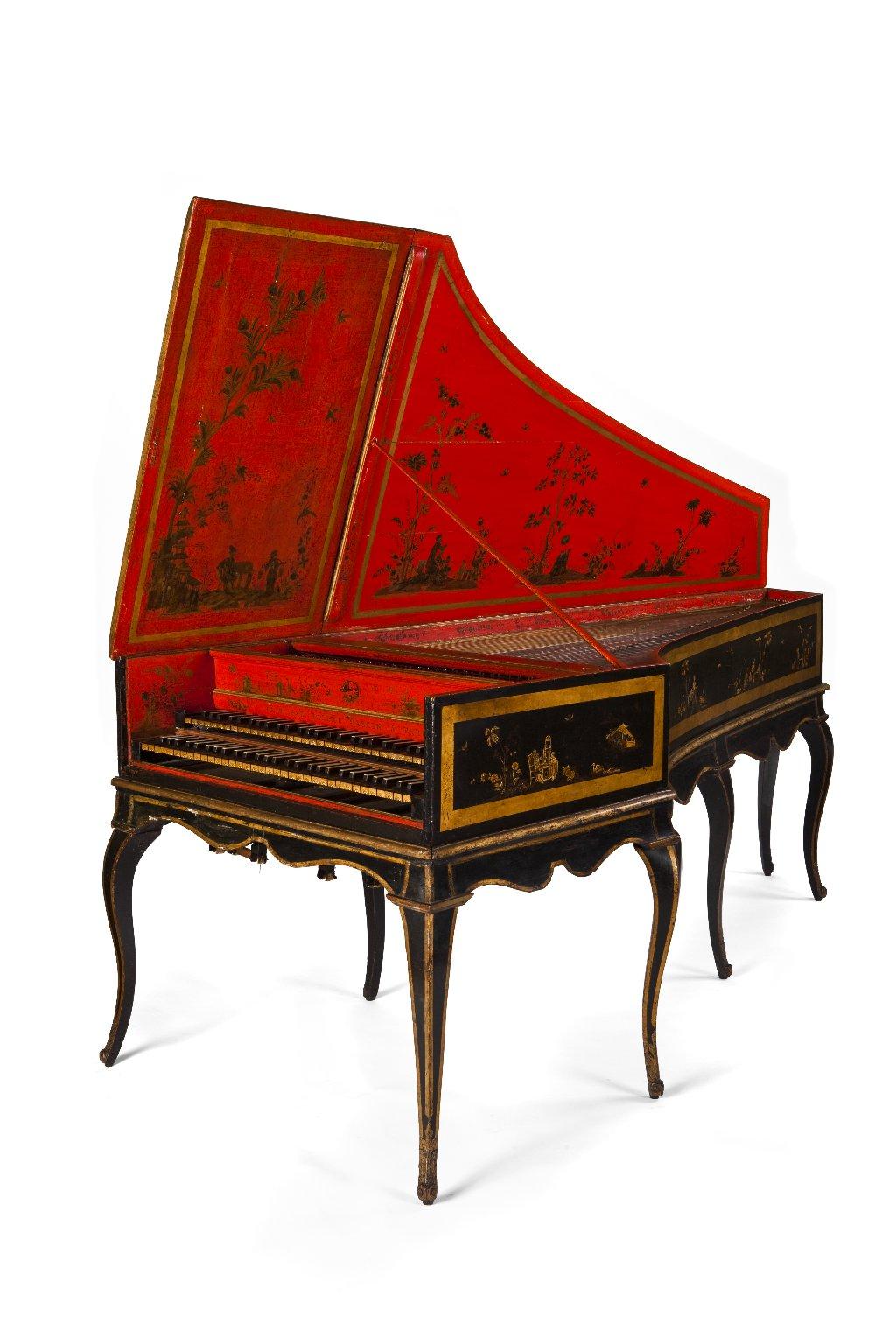
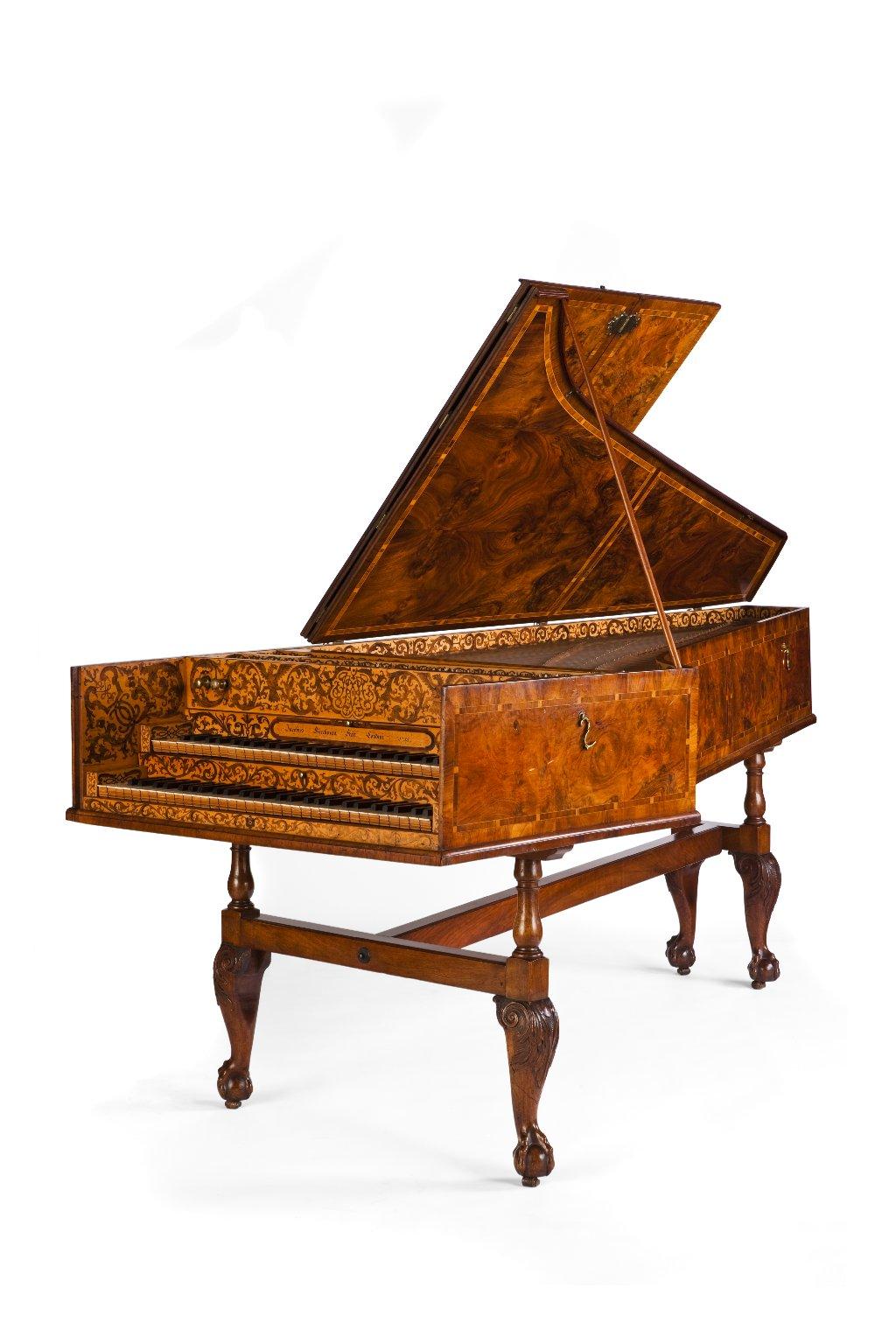
This instrument may once have stood at the centre of an orchestra. In the 18th century harpsichords were surrounded by other instruments during concerts held in churches, theatres and private homes. This harpsichord’s bright, sprightly sound was perfect for playing in an orchestra or as a solo instrument.
Thomas Barton was an apprentice of Stephen Keene who made the virginal (4308) in this collection; this harpsichord is Barton’s earliest extant instrument.The keyboard is a replacement based on an original by Barton; the split keys in the bottom octave allow for a few extra notes in the bass (a device known as a broken octave). The plain walnut case is almost Italianate in style including the carved keywell decorations. (Rodger Mirrey Collection).
(4312)
Related Instruments
Related Instruments